

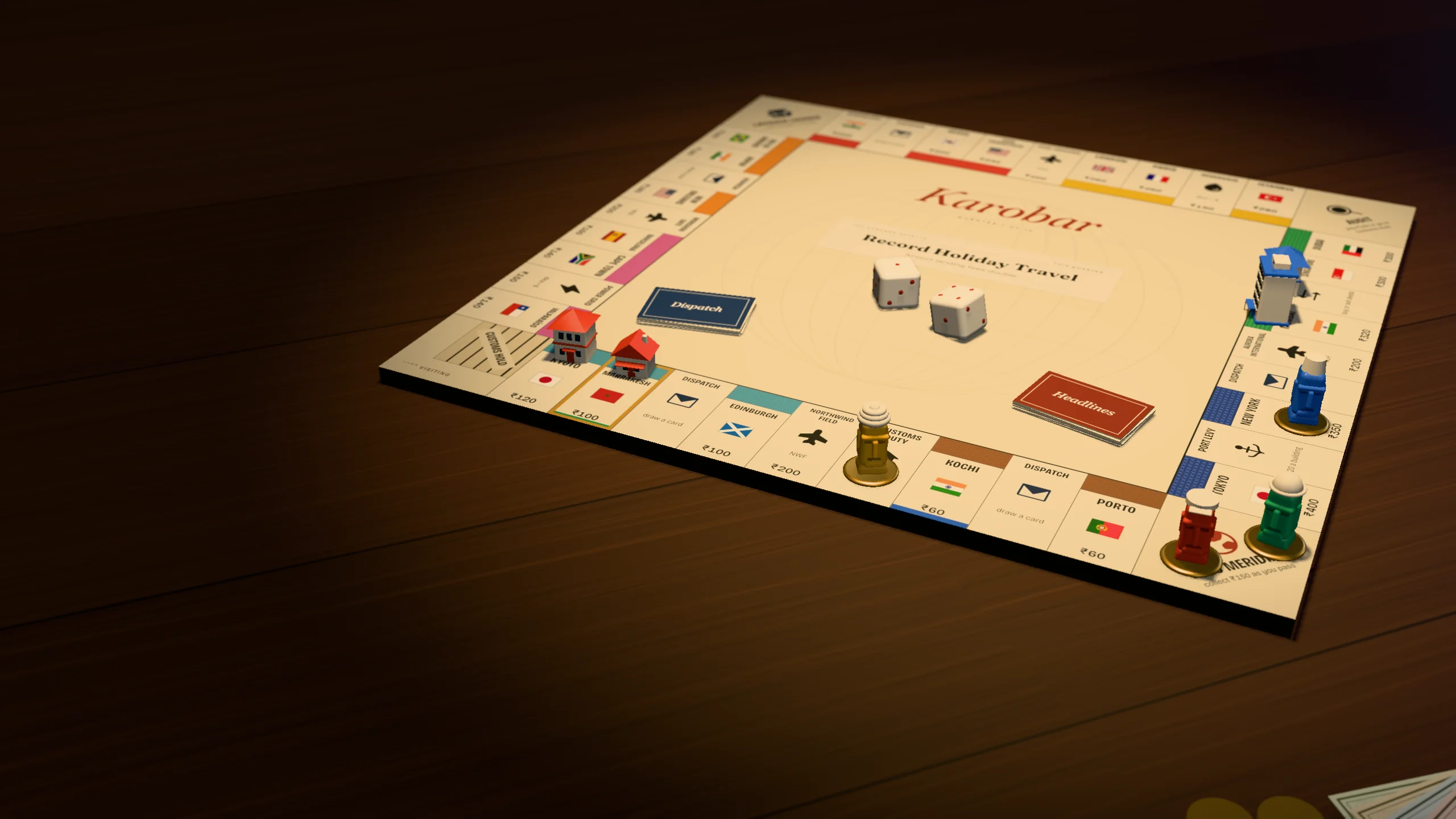
Karobar
The rules of the game, and the story of its name.
About Karobar
noun, masculine; Hindi and Urdu, from Persian
- 1.Business, trade.
- 2.Work, occupation, employment.
- 3.Affairs; dealings, transactions.
Persian kār-o-bār: kār, “action, work, affair, business,” joined by o, “and,” to bār, “load, burden, charge,” which also chimes with kār. Platts records the shorter kār-bār as the same word.
Kārobār is the everyday word for business in Hindi and Urdu: the shop and its ledger, a deal struck over tea, the affairs a family keeps in order. It comes from Persian, where it joins work to the load that comes with it, and that pairing is the whole game. You take on property, carry its costs, and hope the work pays.
The game is a trading game of world cities, played in rupees at one table. Twenty-two cities from Porto to Tokyo, four airports, two utilities and a bank that lends. It keeps what people love about property games, the dice, the deeds, the thrill of rent, and fixes what drags them out: endless endgames, leaders who cannot be caught, auctions nobody enjoys, and whole turns spent sitting in jail.
It was made to be played in an evening with family or friends, on a screen that looks and sounds like a real table: printed deeds, cast pieces, a newspaper and a card machine.
What makes it more than a copy
- 1
Sealed-bid auctions
Turn down a deed and everyone bids once, in secret. The winner pays the second-highest bid plus , so the honest bid is the best one, and the player who sent it to auction earns a 10% commission. Chapter 3
- 2
World Headlines
Each Quarter a Gazette headline bends the economy: rents in a Circuit double, flights are grounded, loans get dearer. Chapter 6
- 3
Nudges
A few tokens that let you land one space short or long of your roll. Small, rare, decisive. Chapter 2
- 4
Customs Hold, where you still play
Held players keep collecting rent, building, borrowing and trading. Only their piece waits. Chapter 5
- 5
Bank Loans with a comeback rate
A real credit line secured on your property. Players behind the table borrow at 2% a Quarter instead of 8%. Chapter 7
- 6
The Karobar Bank
Every payment passes through a card machine on the table, so you see money move rather than read about it. Chapter 7
- 7
A clock, and a Closing Bell
The game ends on time, after 12 or 20 Quarters, and the richest player wins. Chapter 1
- 8
World cities
Eight Circuits grouped by character, not by country: Harbour Towns, Festival Cities, Tech Hubs, Global Capitals. Chapter 4
Chapter 1: The goal and the end
Be the richest player at the table when the Closing Bell rings.
Two to six players each start with and a piece on Zero Meridian. Go round the board, buy cities, airports and utilities, build on them, and collect rent from everyone who lands.
A Quick game lasts 12 Quarters and a Standard game 20. A Quarter is one full turn of the table. When the last Quarter ends, the game is over. A Classic table has no clock and plays until one player is left, which also ends any game early.
The winner has the highest net worth: cash, plus every deed at its list price (a mortgaged deed at half), plus buildings at what they cost, minus anything still owed to the bank. If two players tie, the one with more cash wins.

- Cash in handcounted at the Bell
- Deeds at list priceNew Orleans, Jaipur, Rio de Janeiro
- Mortgaged deed at halfKochi
- Buildings at cost2 on each Festival City
- Bank Loan still owedsubtracted
- Net worth
Chapter 2: A turn
Roll, move, settle the space you land on, then manage your affairs.
From Porto, a seven lands on Marrakesh. A Nudge could stop one short, at Dispatch, or carry one further, to Kyoto.






Roll and move
Roll two dice and move that many spaces. Doubles earn one bonus roll after the space is settled; a bonus roll never earns another. Passing Zero Meridian pays , landing on it exactly pays .
Nudge
After the dice land you may spend a Nudge to move one space less or one space more. You start with 2 in a Quick game and 3 in a Standard one, gain one at the Layover Lounge, and may hold 3 at most. Nudges can be traded.
Settle, then manage
Pay rent, buy, bid or follow the space. Once it is settled you can build, mortgage, borrow and trade, and you may do so on other players' turns too, except while a roll is being settled. Then end your turn.
Chapter 3: Buying, and sealed-bid auctions
Every unowned deed you land on is yours to buy at list price. Turn it down and the whole table bids.
Land on an unowned city, airport or utility and you may buy it at the price printed on the board. If you pass, it goes at once to a sealed-bid auction. Every player still in the game writes one bid, you included, in steps of from , and no higher than the cash they hold. Anyone may pass.
The highest bid wins, but pays only the second-highest bid plus , never more than its own bid; a lone bidder pays the minimum. So bid what the deed is truly worth to you. Ties go to the bidder seated first after the player whose turn it is. With no bids, the deed stays with the bank. In the final Quarter, and on Tech Hubs during a Tech IPO, bidding opens at list price.
The auctioneer's commission. The player who turned the deed down and sent it to auction receives 10% of the winning price from the bank, unless they win it themselves. Declining is a real choice: let the table price the deed, and take a cut.
A worked example
Asha lands on Jaipur and declines. The envelopes open: Tomás , Meera , Asha passes. Meera wins and pays plus , which is . The bank pays Asha her commission of .
Asha lands on Jaipur, list price , and declines.

- Highest bid
- Second bid
- Plus the step
- Meera pays the bank
- Asha's commission, 10%
- The bank keeps
Chapter 4: Circuits and building
Own every city of one colour and its rent doubles. Then build, and it climbs.
- The deed alone× 1
- Whole Circuit× 2
 Shop× 6
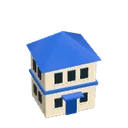 Block× 18
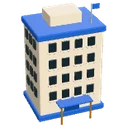 Tower× 45
Cities come in eight coloured Circuits of two or three. Own a whole Circuit and each of its cities charges × 2 rent, even before you build.
With the full Circuit and no mortgages in it, build a Shop, then a Block, then a Tower, one level at a time and evenly: no city may run more than one building ahead of the others. Each Circuit prints its own building cost. Selling a building back returns half of what it cost, again evenly.
Open any city on the board to see its deed, its traffic, what a Tower would earn and who holds the rest of its Circuit.
The eight Circuits, in board order
- Harbour TownsPorto, Kochi
- Heritage CitiesEdinburgh, Marrakesh, Kyoto
- Sunlit CoastsValparaíso, Cape Town, Barcelona
- Festival CitiesNew Orleans, Jaipur, Rio de Janeiro
- Tech HubsBengaluru, Seoul, San Francisco
- Grand CapitalsLondon, Paris, Istanbul
- Trade CapitalsDubai, Singapore, Mumbai
- Global CapitalsNew York, Tokyo
Chapter 5: Airports, utilities and special spaces
Flights
After landing on an airport you may fly once to any other airport for , free if you own the airport you leave. The fare goes to the owner of the airport you arrive at, or to the bank, and you then settle that airport as if you had landed.
Customs Hold
You are sent to the Hold by choosing it at an Audit or by a Dispatch. Before rolling you may post a bond or show a Customs Pass and roll as normal. Otherwise roll for doubles: doubles walk you out; after 2 misses the next roll pays the bond and you move. Meanwhile you still collect rent, build, borrow and trade.
Dispatch
16 cards of windfalls, bills and actions: a free flight, a Nudge, a trip home to Zero Meridian. One of them, Frequent Flyer, is kept as a Customs Pass.
- Zero MeridianZero Meridian
Pass it for ; land on it exactly for .
- DispatchDispatch
Draw a Dispatch: a windfall, a bill, or an action such as a free flight.
- NorthwindNorthwind Field
Fees of , , or as the owner holds one to four.
- Power GridPower Grid
Rent is the dice total × 6, or × 12 when one player owns both.
- Customs DutyCustoms Duty
Pay the bank .
- Customs HoldCustoms Hold
Landing here by roll is just a visit. Held players wait here, and still play.
- Layover LoungeLayover Lounge
Rest and gain a Nudge, up to 3.
- AuditAudit
Pay a fine, or choose Customs Hold.
- ExchangeExchange
Buy any deed the bank still holds at list price, or sell one back for 70% of it.
- Port LevyPort Levy
for every building you own, never less than .
Chapter 6: Quarters, Headlines and the Closing Bell
The world moves on a clock. Each Quarter the Gazette prints a new Headline.
Festival Cities rent doubles. Hotels are full from the Pink City to the French Quarter, and the Festival Cities charge accordingly until the Quarter turns.
Grant to Tomás. The table's poorest player receives the Underdog Grant.
Bell in view. In the final Quarter a Headline's effect is squared, and auctions open at list price.
A Quarter is one full turn of the table. At the start of each one a new World Headline flips from a deck of 16 and holds until the next: rents in a Circuit rise or fall, flights are grounded or dearer, building gets cheaper, loans get dearer. Some Quarters, nothing happens at all.
From the second Quarter on, the player with the lowest net worth receives an Underdog Grant of from the bank, unless everyone is level.
Once a player has gone bankrupt, the Newsroom opens: the most recent to go out picks each new Headline from two, and keeps a hand in the game.
The final Quarter rings the Closing Bell. A Headline's effect is squared, so a doubling becomes × 4 and a halving × ¼, and every auction opens at list price. Then the reckoning.
A Quick game, Quarter by Quarter
- 1first Headline
- 2new Headline
- 3new Headline
- 4new Headline
- 5new Headline
- 6new Headline
- 7new Headline
- 8new Headline
- 9new Headline
- 10new Headline
- 11new Headline
- 12Closing Bell
Chapter 7: The bank, loans and going broke
The Karobar Bank takes every payment, lends against your property and, if it must, collects.
Every payment passes through the bank's card machine: the payer's card goes in, the charge is approved, and the notes go to whoever is paid. Rent goes to the owner; purchases, fees and fines to the bank.
Your credit line is plus 50% of what your unmortgaged deeds and buildings are worth, up to . Draw it in steps of whenever you are not mid-roll; each draw adds a 5% fee to what you owe. Repay any amount at any time.
- Everyone's base
- with no property at all.
- Half of her property
- Makes a line of , in steps of .
- She draws
- The 5% fee makes it owed.
Next Quarter at 8%: she owes .
If she is behind the table's average, at 2%: .
Interest and term
Interest of 8% is added at the start of each Quarter, only 2% if your net worth is below the table's average. The whole balance falls due 6 Quarters after your first draw; topping up does not extend it. Then the bank takes cash, and after that deeds.
Mortgages
Mortgage a deed for 50% of its price once its Circuit has no buildings. It charges no rent while mortgaged. Lifting it costs the mortgage plus 10%.
Short of cash
If you owe more than you hold, raise it: sell buildings, mortgage, borrow or trade with the player you owe. If you cannot, you are bankrupt. Owing one player, they take your cash and deeds; otherwise your deeds go to auction.
Chapter 8: Trading in the Deal Room
Almost anything can change hands, at almost any time.

the deed to Singapore, the second of the Trade Capitals
- 1 Nudge
- Free Passage on Paris, 2 landings
Open the Deal Room whenever a roll is not being settled and send any player an offer of cash, deeds, Nudges, Customs Passes and Free Passage: one to five rent-free landings on one of your deeds. They can accept, counter or decline.
A deed in a Circuit with buildings travels with them, so a built Circuit trades whole. You may keep one open offer per player, and an offer that was declined cannot be sent again the same Quarter. Nobody may end up holding more than 3 Nudges.
An offer where one side is worth more than three times the other is stamped Lopsided for the whole table to see. The best trades complete a Circuit; expect to pay more for the last city of someone else's set.
Chapter 9: Keys
Everything has a button; these are faster.
- SpaceR
- Roll the dice
- ←→
- Nudge one space less or more
- Space
- Keep the roll as it is, when you could Nudge
- B
- Buy the deed you landed on
- A
- Decline it and send it to auction
- EnterE
- End your turn
- Esc
- Skip an animation, or close this manual